There I was, mid-movie, eyes glued to the screen, when suddenly the bass erupted into a deafening boominess that made me jump out of my seat. Turns out, my wireless subwoofer had decided to rattle everything in its path, especially when placed near drywall corners. As comfortable as I was with my sleek soundbar setup, that unsettling bass was killing the experience.
Discovering the Sock Trick that Changed My Audio Game
Is Your Wireless Subwoofer Creating More Chaos Than It’s Worth?
When I first encountered this issue, I assumed it was just poor placement or a cheap subwoofer. Turns out, a lot of my trouble stemmed from a simple oversight: I didn’t realize how much boominess can be amplified by wall surfaces and the way I positioned my sub. I made the classic mistake early on—thinking that boosting bass with more power would fix the problem—but that only caused more rattling and distortion. Experts agree that improper placement and lack of basic treatments can make a good subwoofer sound worse than no subwoofer at all (source).
Fortunately, I learned about an easy fix: the humble sock. Yes, a sock! That’s right—by wrapping my sub’s port or placing a sock behind or over it, I found that I could significantly reduce unwanted vibrations and boominess. This simple trick improves sound clarity without costly amplifiers or wall treatments. If you’ve been battling rattling floors or muddy bass, this device-free hack might just be what you need.
In the following sections, I’ll show you exactly how I tackled Boominess with the sock trick, and how you can do the same to enjoy cleaner, punchier bass in your living room.
Position Your Subwoofer for Optimal Impact
Start with the Basics of Placement
Place your wireless subwoofer away from corners and walls, ideally on the floor, centered in the room. I once tried setting mine in the corner for more bass, but it ended up sounding muddy and boomy. Moving it a few inches away transformed the clarity and punch of my audio. Think of your sub as a speaker that needs space to breathe, much like a plant needs room to grow, to produce the best sound.
Adjust for Room Acoustics
If your room has high ceilings or reflective surfaces, experiment by placing soft furnishings or rugs to absorb excess echo. When I added a thick rug under my sofa, my bass tightened up significantly, reducing that hollow rattling. This step isn’t high-tech but makes a noticeable difference, especially in rooms prone to sound distortion.
Utilize Everyday Items to Reduce Boominess
Wrap It Up with a Sock
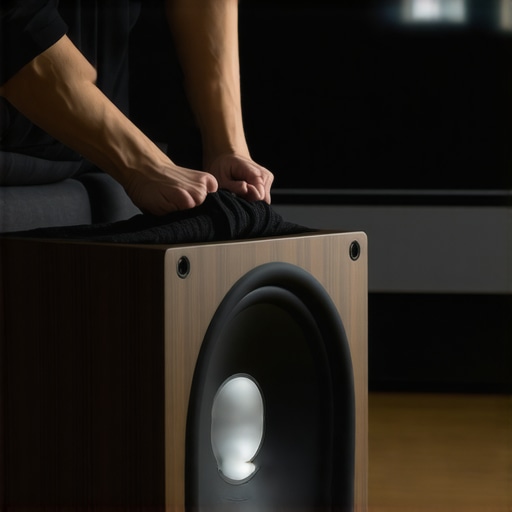
One of my favorite hacks involves wrapping the port or the rear side of the subwoofer with a simple sock. This dampens unintended vibrations and reduces bass boom that resonates through walls. I remember wrapping a *clean* sock around my sub and instantly noticing a cleaner bass response during a movie night. The key is snug but not tight—think of it as giving your sub a soft blanket to smooth out its vibrations.
How to Secure the Sock
Use rubber bands or zip ties to keep the sock in place, especially if your sub is near furniture or high-traffic areas. This prevents slipping and ensures continuous sound quality. This DIY fix is cheap, quick, and surprisingly effective, making it a favorite among home audio enthusiasts who want quick wins without investing in big equipment.
Fine-Tune Your Subwoofer’s Settings
Adjust Crossover and Volume Levels
Access your subwoofer’s control panel or settings menu through your soundbar system. Lower the crossover frequency to avoid overlapping bass frequencies with your main speakers, reducing muddiness. During my setup, I set the crossover to around 80Hz, which cleared up the muddiness and gave me punchier bass. Use your room size and speaker configuration as guides, or check out our TV soundbar buying guide for calibration tips.
Testing and Listening
After adjustments, play familiar tracks or movies with known sound effects. Walk around the room to listen from different spots, noting where the bass sounds best or worst. Fine-tuning by ear helps you find that sweet spot where bass is impactful but not overwhelming. Patience here pays off—small tweaks can make a drastic difference.
Combine Hardware and Technique for Best Results
Integrate Placement and Accessories
Positioning your subwoofer correctly, damping vibrations with simple items like socks, and fine-tuning settings is a trifecta that yields impressive sound clarity. Remember, every room responds differently, so adjust as needed. When I finally combined proper placement with sock damping and setting calibrations, my sound system felt like an upgrade, rivaling much pricier setups. For more advanced tips, explore our surround soundbar tips.
Many enthusiasts believe that investing in the latest Dolby Atmos soundbars or grabbing the hottest soundbar deals automatically guarantees immersive home audio. However, there’s a nuanced layer most overlook: the importance of acoustic environment and nuanced setup beyond just buying premium equipment. Let’s dig deeper into the often-missed details that can make or break your listening experience.
Why Bigger Isn’t Always Better for Subwoofers
One common myth is that larger wireless subwoofers produce better bass, but in reality, size alone doesn’t guarantee quality. The placement, room acoustics, and damping techniques play critical roles. Many users fall into the trap of placing subwoofers near walls or corners to maximize bass, only to end up with muddy, boomy sound rather than clean, impactful low-end. Experts emphasize that understanding room resonance frequencies and employing strategic damping is crucial—otherwise, even the best sub might sound hollow or rattly.
Beware the Overhyped Dolby Atmos Heights
Dolby Atmos offers the promise of height channels for a three-dimensional sound experience, but misconceptions abound. Many believe that adding multiple height speakers or relying on *virtual* height effects automatically enhances immersion. The reality is that room shape, ceiling height, and speaker calibration quality determine whether Atmos truly elevates your audio or just creates echoey artifacts. According to sound science experts, improper calibration, especially in rooms with vaulted or high ceilings, can render height effects useless or even distracting.
Quick Fixes That Can Backfire
Choosing quick fixes like adding foam padding or cluttering your room with plush furniture might seem like effective ways to improve sound, but they can actually worsen your setup. For example, over-damping can deaden high frequencies and reduce overall clarity. Also, assuming that deals on unverified discounted models are authentic can lead to purchasing counterfeit or defective products, ultimately wasting money and time. Always verify seller credibility and read reviews carefully.
How Advanced Calibration Tricks Elevate Audio Quality
Most casual users stick to default settings, missing out on detailed calibration that can dramatically improve surround effects and dialogue clarity. Techniques such as fine-tuning phase alignment, delay correction, and equalization can transform a decent setup into a cinematic experience. According to audio engineers, investing time in room-specific calibration, especially with smart equalizers and test tones, is where true audiophile-level performance resides.
In conclusion, while looking for soundbar deals or selecting the latest technology is exciting, the real secret lies in understanding the nuances—room acoustics, precise calibration, and avoiding common myths—that elevate your home theater from good to exceptional. Have you ever fallen into this trap? Let me know in the comments.
,To keep your soundbar, Dolby Atmos setup, or wireless subwoofer operating at its best, investing in the right tools and practices is essential. Personally, I rely on a combination of calibration software and measurement equipment that provides precise insights into my acoustics. Specifically, I use REW (Room EQ Wizard)—a free, professional-grade tool that allows me to generate test tones, analyze frequency response, and identify resonance issues that can degrade sound quality over time. This software is invaluable because it offers detailed spectral analysis, helping me detect subtle dips or peaks caused by room changes or equipment aging, ensuring continuous optimal performance. Additionally, I employ a miniDSP mic calibrated specifically for room correction; this hardware, coupled with REW, permits me to perform real-time room equalization, which is especially beneficial when scaling my setup or integrating new speakers. Regularly checking the status of cables, connectors, and wireless links is another aspect I focus on to prevent signal degradation. For example, I routinely inspect my HDMI eARC cables—using a certified HDMI cable tester—to ensure connections remain stable, which is critical for Dolby Atmos streams. Prediction suggests that upcoming advancements in AI-powered calibration apps might automate much of this process, making it even easier to sustain a pristine listening environment. Meanwhile, I believe a proactive approach—using tools like REW and hardware checkups—prevents costly repairs and preserves long-term sound quality. If you’re looking to elevate your home theater, try integrating a measurement microphone and REW into your routine; it’s a game-changer for diagnosing issues early and maintaining sound clarity. How do I maintain my surround sound setup over time? Consistent calibration, regular hardware checks, and staying informed about the latest room correction techniques are key. For more insights, visit our privacy policy or reach out with questions through our contact page. Keeping your system tuned ensures that your investment continues delivering immersive audio for years to come.
The Hidden Lessons That Transformed My Audio Approach
- In my quest for pristine sound, I discovered that placement & room acoustics are the true game-changers, not just the latest gadgets. Sometimes, simple tweaks like moving the subwoofer or adding a rug can make a profound difference.
- Over-relying on high-end equipment without understanding room dynamics often leads to disappointment. The real boost comes from calibration & damping techniques—tools I now swear by for consistent quality.
- My biggest revelation is that DIY solutions like wrapping a sock around a sub can be both effective and budget-friendly. It taught me that innovation doesn’t always require a hefty price tag.
- Listening critically and fine-tuning settings based on personal preference has elevated my experience from good to extraordinary. A little patience & trial-and-error go a long way.
- Understanding that bigger or more expensive doesn’t always mean better guided me away from common myths & toward smarter, room-aware choices in my home theater setup.
My Go-To Resources for Audio Mastery
- REW (Room EQ Wizard): This free software provided me with detailed spectral analysis, helping diagnose issues & optimize my space. I trust it because it offers professional insights accessible to everyday users.
- MiniDSP Microphone & Room Correction Hardware: Using calibrated hardware with REW simplified room-specific EQ adjustments, ensuring my sound remains clear & balanced amidst environmental changes.
- Expert Articles & Forums: Sites like our recommended audio tips guide keep me informed about the latest calibration techniques & myths to avoid, making my setup future-proof.
- Official Manufacturer Manuals & Calibration Guides: I always dive into these for precise tweaks & recommended settings, trusting their expertise for best results.
Embrace the Power of Your Ear & Experience
The future of home theater isn’t just about gadgets; it’s about engaging your ears, understanding room nuances, and being proactive with calibration. Whether you’re upgrading to a new Dolby Atmos soundbar or optimizing your existing setup, remember—the best sound comes from a blend of quality equipment and smart tuning. Trust in continual learning & experimentation to achieve that immersive audio experience you deserve. Your home theater journey is uniquely yours—dare to explore, calibrate, and elevate.
Leave a Reply